A non-invasive approach to delivering regenerative cellular signals
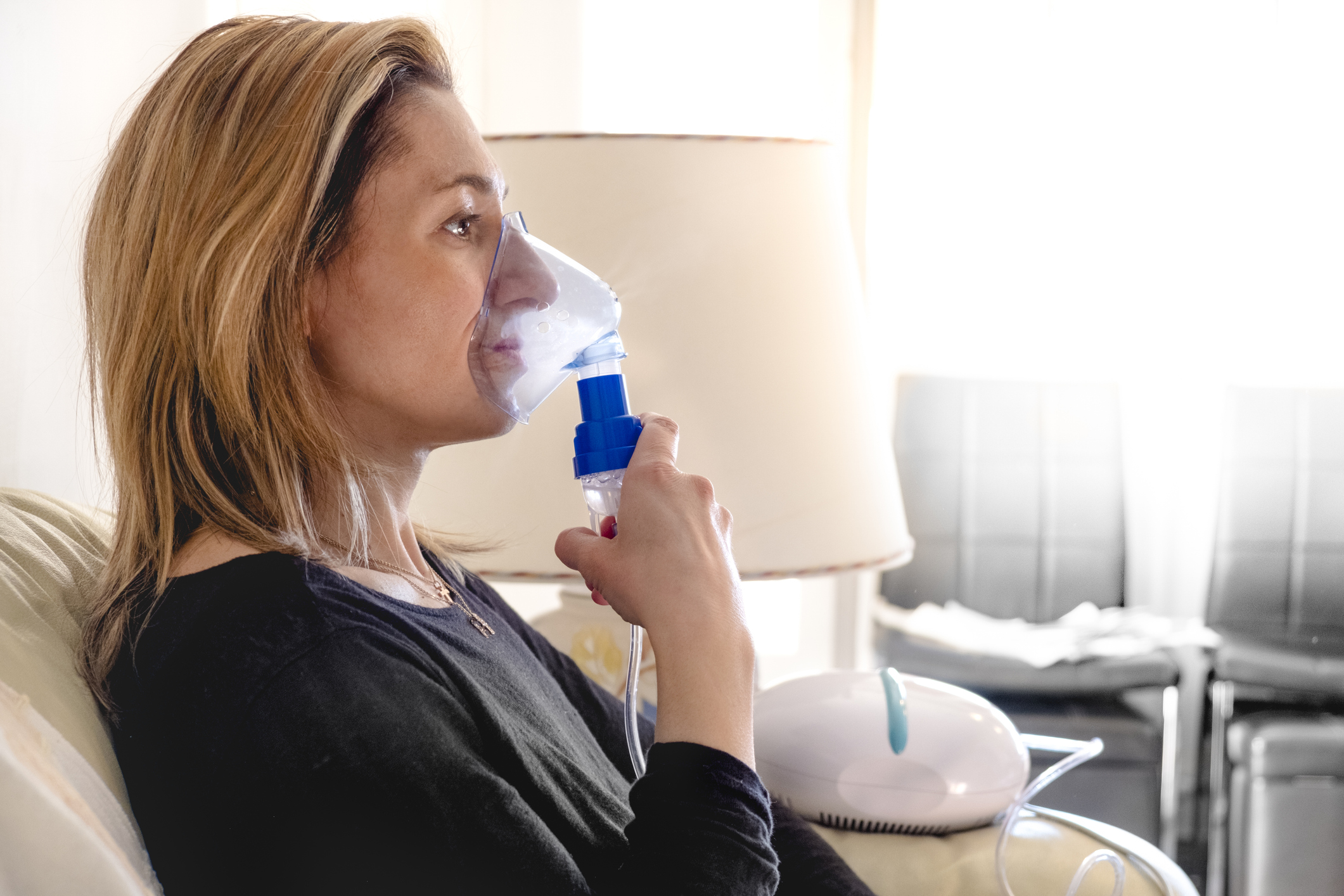
Nasal or intranasal exosome therapy involves administering purified mesenchymal stem cell (MSC)-derived exosomes into the nasal cavity—typically as drops, a spray, or via a specialized delivery device called a nebulizer. These nano-sized extracellular vesicles (roughly 30–150 nm) carry proteins, growth factors, lipids, mRNA, and microRNAs that can influence cellular communication, inflammation, and repair processes. The nasal route is of particular interest because it offers a non-invasive pathway that can reach the central nervous system. Exosomes may travel along the olfactory and trigeminal nerve pathways, potentially bypassing the blood-brain barrier to a greater degree than systemic intravenous delivery. The highly vascularized nasal mucosa also allows local effects in the sinuses and upper airways while enabling some systemic absorption.
At All U Health, nasal delivery is considered when the therapeutic goals involve neurological support, cognitive wellness, or certain inflammatory conditions of the upper airway, always within an individualized and carefully monitored clinical framework.
The procedure is typically quick, well-tolerated and often done at the comfort of your home:
Protocols may involve single or repeated administrations depending on the clinical goals and the specific product used. Proper product characterization, sterility, and medical supervision are essential. Conditions Studied for Nasal Exosome Application Research on intranasal MSC-derived exosomes spans a range of preclinical (animal) models and a smaller number of early-phase human studies or case reports. The strongest body of work focuses on neurological and neuroinflammatory conditions, with additional investigation into upper-airway inflammatory diseases. Key areas include:
Preclinical studies have examined intranasal exosomes in models of:
Early human data include safety-focused trials or observational work in Alzheimer’s disease, epilepsy, Parkinson’s disease, ALS, and selected neurodevelopmental disorders. Some case series and small studies have reported improvements in adaptive function, motor symptoms, or quality-of-life measures, though controlled evidence remains limited.
Intranasal or local nasal application has been studied in models and limited clinical observations of:
These applications leverage both local anti-inflammatory effects in the nasal mucosa and potential broader immunomodulatory signaling.
Additional preclinical exploration includes autism spectrum disorder models, certain psychiatric and cognitive conditions, and neuroprotective strategies after perinatal injury. Clinical trial registries list early-phase studies evaluating safety and preliminary signals in several of the neurological conditions listed above.
The scientific literature on intranasal exosomes is growing rapidly, with numerous peer-reviewed preclinical studies demonstrating reduced inflammation, support for neuronal survival, improved barrier integrity, and functional recovery in animal models. Human evidence is still emerging and consists largely of Phase 1 safety studies, small observational series, and case reports. Larger randomized controlled trials are needed to establish efficacy, optimal dosing, and long-term outcomes.
As with all exosome products, there are currently no FDA-approved exosome therapies for any indication. Product quality, source, characterization, and clinical oversight significantly influence both safety and potential benefit. Nasal administration is generally regarded as low-risk when performed with properly prepared material under medical supervision; reported side effects in available reports are typically mild (e.g., transient nasal irritation).
At All U Health, we evaluate nasal exosome therapy as one option among others when a patient’s goals involve neurological support, cognitive wellness, recovery after neurological injury, or management of certain chronic upper-airway inflammatory conditions. Decisions are based on a comprehensive assessment of medical history, current evidence, realistic expectations, and integration with established care.
If you would like to explore whether nasal (or other routes of) exosome therapy may be appropriate for your situation, we invite you to schedule a consultation. Our team will review the latest available research, discuss potential benefits and limitations, and help you make an informed decision.
© 2026 All U Health, All rights reserved.